Fire safety is one of the most critical requirements in commercial buildings, industrial facilities, warehouses, hospitals, schools, and residential complexes. Among the various fire protection systems available, the Fire Hydrant System remains one of the most reliable and widely used solutions for firefighting operations.
A properly designed fire hydrant system ensures that firefighters have immediate access to a continuous and pressurized water supply during emergencies, helping to control and extinguish fires before they spread.
In this article, we will explain the main components of a fire hydrant system, how they work together, and why selecting the right fire pump package is essential for system performance.

What Is a Fire Hydrant System?
A fire hydrant system is a fixed firefighting infrastructure designed to deliver water under pressure to strategic points throughout a building or facility.
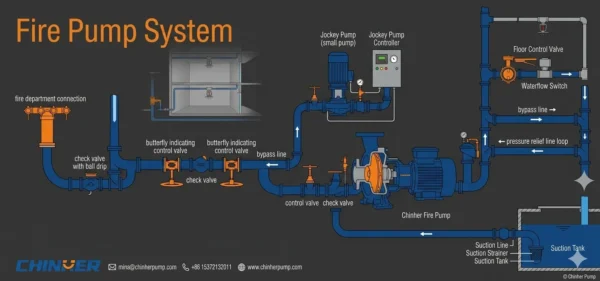
The system consists of:
- Water storage source
- Fire pumps
- Jockey pump
- Control panel
- Pipe network
- Fire hydrants
- Hose cabinets
- Isolation valves
When a fire occurs, water is delivered from the storage tank through the pump system and piping network to hydrants where firefighters can connect hoses and begin firefighting operations immediately.

Main Components of a Fire Hydrant System
1. Water Storage Tank
The water storage tank serves as the primary water source for firefighting operations.
Its functions include:
- Storing emergency firefighting water
- Ensuring adequate water reserve
- Providing continuous supply during fire incidents
Depending on project requirements, tanks can be:
- Underground tanks
- Ground-level tanks
- Elevated tanks
The tank capacity is typically determined according to local fire codes and project specifications.
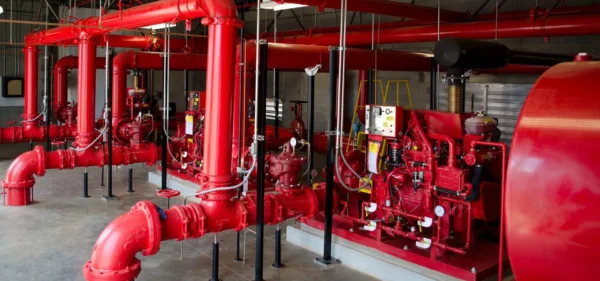
2. Fire Pump
The fire pump is the heart of the entire hydrant system.
Its purpose is to:
- Deliver high-pressure water
- Maintain required flow rates
- Ensure hydrants receive sufficient water during emergencies
Common fire pump types include:
Split Case Fire Pumps

- High efficiency
- Large flow capacity
- Easy maintenance
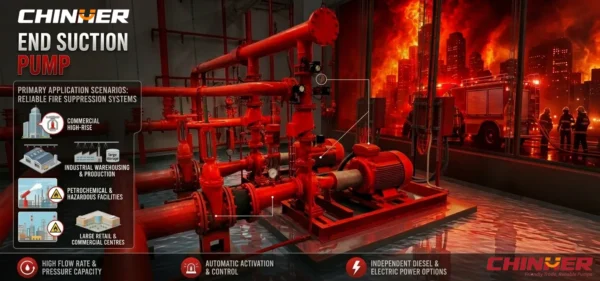
End Suction Fire Pumps

- Compact design
- Cost-effective solution
- Suitable for small and medium projects
Vertical Turbine Fire Pumps

- Ideal for low water level applications
- Common in industrial and municipal projects
At CHINHER, all fire pump packages can be designed according to:
- NFPA 20 requirements
- CE standards (optional)
- Customer project specifications
3. Jockey Pump
The jockey pump is a small auxiliary pump that maintains pressure within the fire protection system.
Its functions include:
- Compensating for minor pressure drops
- Preventing unnecessary fire pump starts
- Maintaining system readiness
Without a jockey pump, even minor leaks could repeatedly trigger the main fire pump, reducing equipment lifespan.
4. Fire Pump Control Panel
The control panel automatically manages the operation of the fire pump system.
Key features include:
- Automatic pump start
- Manual operation mode
- Alarm monitoring
- Pressure sensing
- System diagnostics
Modern fire pump controllers improve reliability and ensure rapid response during emergencies.
5. Isolation Valve
Isolation valves are installed throughout the piping network.

Their purposes include:
- Isolating sections during maintenance
- Preventing system shutdown
- Facilitating repairs and inspections
Proper valve placement helps reduce downtime and maintain system availability.
6. Pipe Network

The pipe network transports pressurized water from the pump room to hydrants and hose cabinets.
The piping system should be designed to:
- Minimize pressure loss
- Ensure balanced flow distribution
- Meet local fire protection regulations
Common materials include:
- Carbon steel pipes
- Galvanized steel pipes
- Ductile iron pipes
7. Fire Hydrant
The fire hydrant provides the connection point where firefighters access water.
Its functions include:
- Delivering water for firefighting
- Allowing hose connection
- Supporting manual firefighting operations
Hydrants may be installed:
- Indoors
- Outdoors
- Along roads
- Throughout industrial facilities
8. Hose Connection & Hose Cabinet
The hose cabinet stores firefighting equipment, including:
- Fire hose
- Hose reel
- Nozzle
- Couplings
The hose connection allows firefighters to quickly deploy hoses and begin suppression activities.
9. Drain Valve
Drain valves are installed at low points within the system.
Their functions include:
- Draining pipelines during maintenance
- Removing residual water
- Assisting pressure testing procedures
Regular drainage helps maintain system reliability and prevent corrosion issues.
How Does a Fire Hydrant System Work?

During a fire emergency, the hydrant system operates through the following sequence:
Step 1: Water Supply
Water is stored in the fire water tank and remains available for emergency use.
Step 2: Pressure Drop Detection
When a hydrant valve is opened, system pressure decreases.
Step 3: Fire Pump Activation
The control panel detects the pressure drop and automatically starts the fire pump.
Step 4: Water Pressurization
The fire pump delivers water at the required pressure and flow rate.
Step 5: Water Distribution
Pressurized water travels through the pipe network.
Step 6: Firefighting Operation
Water reaches the hydrants and hose cabinets, allowing firefighters to connect hoses and suppress the fire.
Why Is Fire Pump Selection Critical?
A fire hydrant system is only as reliable as its pump package.
Selecting the correct fire pump ensures:
✅ Adequate pressure
✅ Required flow rate
✅ Compliance with fire regulations
✅ Reliable operation during emergencies
✅ Long service life
Factors to consider include:
- Building height
- Required flow demand
- Water source conditions
- Local fire standards
- Pump room layout
CHINHER Fire Pump Solutions
As a professional manufacturer of industrial and fire pump systems, CHINHER provides complete fire pump packages for commercial, industrial, and infrastructure projects worldwide.
Our product range includes:
- Split Case Fire Pumps
- End Suction Fire Pumps
- Vertical Inline Pumps
- Vertical Turbine Fire Pumps
- Jockey Pumps
- Fire Pump Controllers
- Diesel Engine Fire Pump Sets
- Electric Motor Fire Pump Sets
Applications:
- Commercial Buildings
- Factories
- Warehouses
- Hospitals
- Hotels
- Data Centers
- Municipal Projects
- Oil & Gas Facilities
FAQ
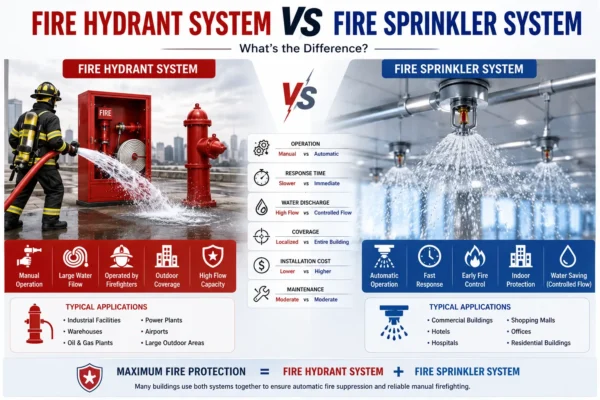
Q1: What is the difference between a fire hydrant system and a sprinkler system?
Q2: Why is a jockey pump required?
Q3: What standards apply to fire hydrant systems?
Q4: How do I select a fire pump capacity?
Need Fire Hydrant System Design Support?
CHINHER offers customized fire pump solutions designed according to project requirements and international standards.
Whether you are an EPC contractor, fire protection company, distributor, or project developer, our engineering team can help you select the right pump package for your project.
Contact CHINHER today for catalogs, technical support, and project quotations.
Website: www.chinherpump.com
Email: info@chinherpump.com