Chinher Pump provides professional fire fighting pump systems for global markets, including:
- Diesel Engine Fire Pump Sets
- Electric Fire Pump Sets
- Split Case Fire Pumps
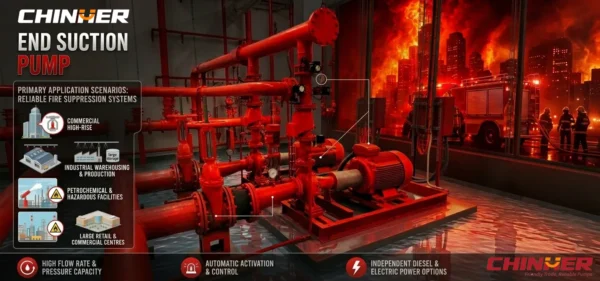
- End Suction Fire Pumps
- Jockey Pumps
- Complete Fire Fighting Systems
We support OEM projects and customized fire pump solutions for industrial and commercial applications.
Complete Guide to NFPA20 Fire Pump Systems
When designing a fire protection system, one of the most important standards in the industry is NFPA20. It is widely used in commercial buildings, factories, warehouses, hospitals, shopping malls, and industrial facilities around the world.
In this article, we will explain what NFPA20 is, why it is important, and how NFPA20 fire pump systems work.
What Does NFPA20 Mean?
NFPA20 stands for:
“Standard for the Installation of Stationary Pumps for Fire Protection”
It is developed by the:
National Fire Protection Association (NFPA)
NFPA20 provides requirements for:
- Fire pump selection
- Installation
- Testing
- Performance
- Fire protection reliability
The purpose of NFPA20 is to ensure that fire pumps can operate safely and reliably during a fire emergency.
Why is NFPA20 Important?
A fire pump is the heart of a fire fighting system.
If the water pressure from the city supply is not enough, the fire pump will provide the required pressure and flow for:
- Fire hydrants
- Sprinkler systems
- Hose reels
- Foam systems
NFPA20 helps ensure:
✔ Stable water pressure
✔ Reliable emergency operation
✔ Safe fire protection performance
✔ Proper installation standards
✔ Reduced fire risk
Many international projects require NFPA20-compliant fire pump systems.
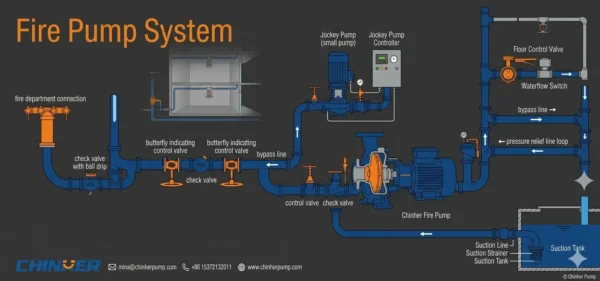
Main Components of an NFPA20 Fire Pump System
A complete NFPA20 fire pump system usually includes:
1. Fire Pump
Common pump types:
- Split Case Fire Pump
- End Suction Fire Pump
- Vertical Turbine Fire Pump
- Multistage Fire Pump
2. Driver
The pump can be driven by:
- Electric Motor
- Diesel Engine
Diesel fire pumps are commonly used as backup systems during power failure.
3. Jockey Pump
A jockey pump maintains system pressure and prevents the main fire pump from starting unnecessarily.
4. Controller
The fire pump controller automatically starts the pump when pressure drops in the system.
NFPA20 Fire Pump Types
Split Case Fire Pump
- High flow capacity
- Stable performance
- Easy maintenance
- Common for industrial projects
End Suction Fire Pump
- Compact structure
- Lower cost
- Suitable for small systems
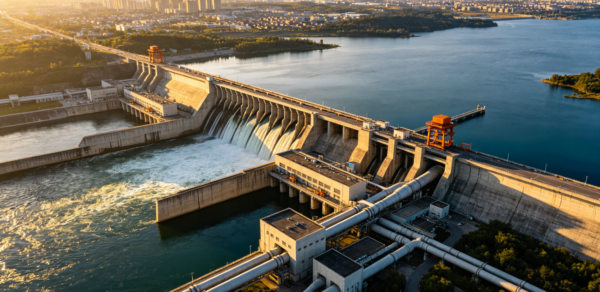
Vertical Turbine Fire Pump
- Used when water source is underground
- Suitable for wells, lakes, and reservoirs
How to Choose an NFPA20 Fire Pump?
When selecting a fire pump system, several factors are important:
- Flow Rate
- Pressure (Head)
- Power Supply
- Water Source
- Project Standard
- Installation Space
Professional fire pump manufacturers can help design the correct system according to project requirements.
Chinher Pump NFPA20 Fire Pump Solutions
Chinher Pump provides professional fire fighting pump systems for global markets, including:
- Diesel Engine Fire Pump Sets
- Electric Fire Pump Sets
- Split Case Fire Pumps
- End Suction Fire Pumps
- Jockey Pumps
- Complete Fire Fighting Systems
We support OEM projects and customized fire pump solutions for industrial and commercial applications.
Contact Us
Looking for a reliable NFPA20 fire pump manufacturer?
Contact Chinher Pump for:
✔ Fast quotation
✔ Catalog download
✔ Technical support
✔ OEM solutions
✔ Fire pump system recommendations
Website: www.chinherpump.com