When designing a fire protection system for a building, one of the most common questions is:
Should I install a fire hydrant system or a fire sprinkler system?
Although both systems are designed to protect lives and property during a fire emergency, they operate differently and are intended for different firefighting purposes.
In this guide, we will explain the differences between fire hydrant systems and fire sprinkler systems, their components, applications, and how to choose the right fire pump package for your project.
Fire Hydrant System vs Fire Sprinkler System

What Is a Fire Hydrant System?
A fire hydrant system is an active firefighting system designed to provide firefighters with immediate access to pressurized water during a fire emergency.
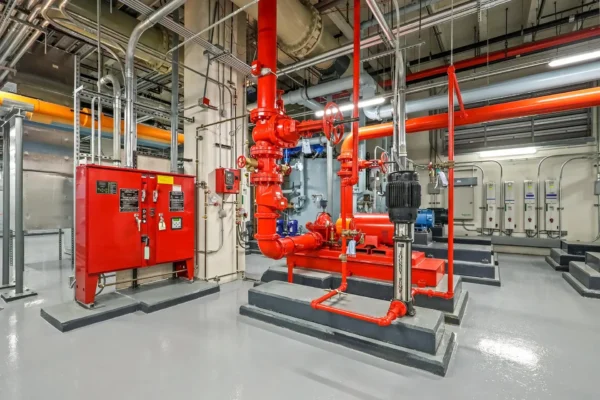
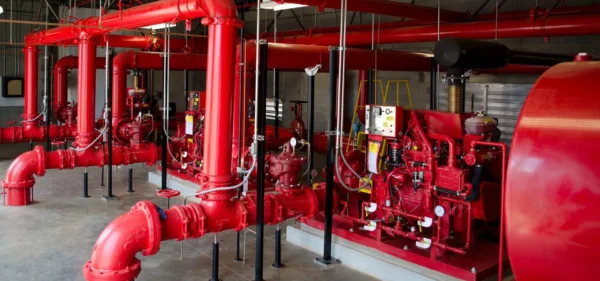
Typical Fire Hydrant System Components
The system typically includes:
✅ Fire Water Tank
✅ Fire Pump
✅ Jockey Pump
✅ Fire Pump Controller
✅ Hydrant Valve
✅ Fire Hose Reel
✅ Hydrant Cabinet
✅ Underground & Above-Ground Piping
Firefighters manually connect hoses to hydrant outlets and direct water toward the fire source.
Typical Fire Hydrant System Components

What Is a Fire Sprinkler System?
A fire sprinkler system is an automatic fire suppression system that detects heat and releases water through sprinkler heads installed throughout a building.
Unlike hydrant systems, sprinkler systems do not require manual operation.
Once the temperature near a sprinkler head reaches a predetermined level, the sprinkler activates automatically.
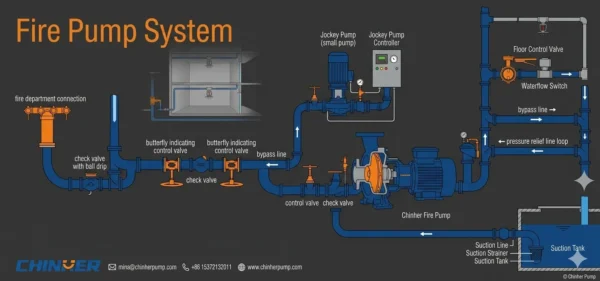
Typical sprinkler system components include:
✅ Fire Pump
✅ Jockey Pump
✅ Alarm Valve
✅ Sprinkler Heads
✅ Control Valves
✅ Pipe Network
✅ Water Storage Tank
Typical Fire Sprinkler System Layout
Fire Hydrant System vs Fire Sprinkler System: Key Differences
| Feature | Fire Hydrant System | Fire Sprinkler System |
|---|
| Operation | Manual | Automatic |
| User | Firefighters | Building Occupants |
| Response Time | Depends on personnel | Immediate |
| Water Discharge | High Flow | Controlled Flow |
| Coverage | Localized Area | Entire Building |
| Installation Cost | Lower | Higher |
| Maintenance | Moderate | Moderate |
| Suitable For | Industrial Facilities | Commercial Buildings |
图片4
Advantages of Fire Hydrant Systems
Fire hydrant systems offer several advantages:
High Water Flow Capacity
Hydrant systems can deliver a large volume of water, making them ideal for:
- Factories
- Warehouses
- Industrial Plants
- Oil & Gas Facilities
Flexible Firefighting Operations
Firefighters can direct water exactly where it is needed.
Lower Initial Investment
Compared with full sprinkler coverage, hydrant systems often require lower installation costs.
Advantages of Fire Sprinkler Systems
Automatic Fire Detection and Suppression
Sprinkler heads activate automatically when exposed to heat.
Fast Response
The system begins suppressing the fire before firefighters arrive.
Reduced Property Damage
Early fire control minimizes fire spread and reduces repair costs.
Can Fire Hydrant and Fire Sprinkler Systems Be Used Together?
Yes.
In modern buildings, both systems are often installed together for maximum fire protection.
Common examples include:
Shopping Malls
- Fire Sprinkler System
- Fire Hydrant System
Hospitals
- Fire Sprinkler System
- Fire Hydrant System
Airports
- Fire Sprinkler System
- Fire Hydrant System
Manufacturing Facilities
- Fire Sprinkler System
- Fire Hydrant System
Combining both systems ensures automatic suppression and manual firefighting capabilities.
Integrated Fire Protection System
内容:
Water Tank→Fire Pump Package→Sprinkler Network&Hydrant Network→Complete Fire Protection
Fire Pump Requirements for Both Systems
Whether you choose a fire hydrant system or a fire sprinkler system, selecting the correct fire pump is critical.
Common fire pumps include:
Split Case Fire Pump

Applications:
- Large Commercial Buildings
- Industrial Facilities
- Municipal Projects
Advantages:
- High Efficiency
- Large Flow Capacity
- Easy Maintenance
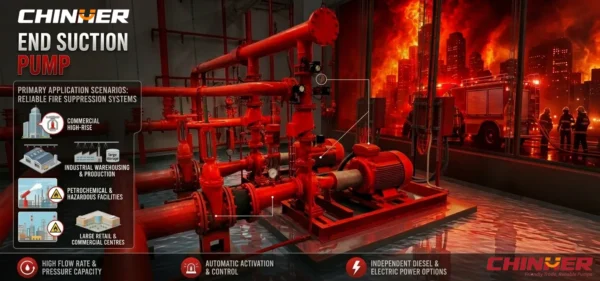
End Suction Fire Pump

Applications:
- Small to Medium Buildings
- Hotels
- Office Buildings
Advantages:
- Compact Design
- Cost Effective
- Easy Installation
Vertical Turbine Fire Pump

Applications:
- Rivers
- Lakes
- Underground Water Sources
Advantages:
- Suitable for Low Water Levels
- Reliable Performance
Fire Pump Solutions
- Split Case Fire Pump
- End Suction Fire Pump
- Vertical Turbine Fire Pump
- Jockey Pump
- Fire Pump Controller
Frequently Asked Questions (FAQ)
Is a fire sprinkler system better than a fire hydrant system?
Neither system is universally better. Sprinkler systems provide automatic protection, while hydrant systems provide high-capacity manual firefighting.
Do I need both systems?
Many commercial and industrial buildings require both systems to comply with local fire regulations and improve overall fire safety.
What fire pump is used for a hydrant system?
Common choices include:
- Split Case Fire Pumps
- End Suction Fire Pumps
- Vertical Turbine Fire Pumps
depending on flow and pressure requirements.
What standards govern these systems?
Common standards include:
- NFPA 20
- CE
- EN
- Local Fire Codes
Conclusion
Understanding the differences between a fire hydrant system and a fire sprinkler system is essential for selecting the right fire protection solution.
While fire hydrant systems provide powerful manual firefighting capabilities, fire sprinkler systems offer automatic fire suppression and rapid response.
For maximum safety, many facilities combine both systems into a complete fire protection package powered by reliable fire pumps and control systems.
Looking for Reliable Fire Pump Solutions?
CHINHER provides:
✅ Split Case Fire Pumps
✅ End Suction Fire Pumps
✅ Vertical Turbine Fire Pumps
✅ Jockey Pumps
✅ Fire Pump Controllers
✅ Complete Fire Pump Packages
📧 Contact us today for technical support, pump selection, and project quotations.
Web:www.chinherpump.com
Email:info@chinherpump.com